
Septic Drain Field Replacement Costs Vs. Long-Term Savings
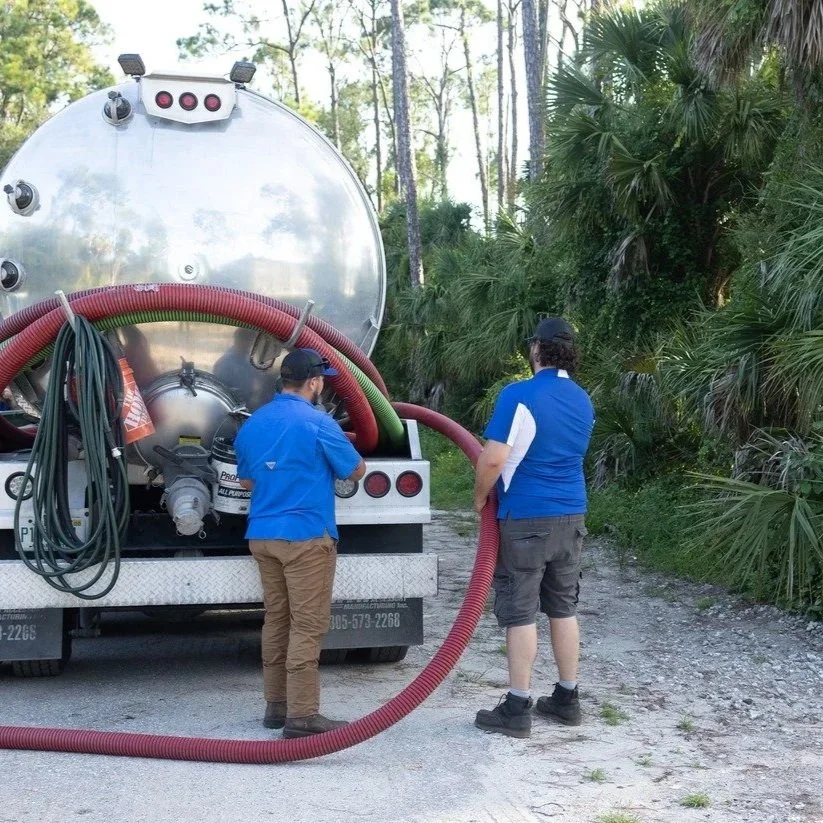
Over time, soil becomes compacted and less able to absorb water efficiently.
A septic drain field is designed to treat wastewater for decades quietly, but even the best systems eventually wear out. Over time, soil becomes compacted and less able to absorb water efficiently. Buildup of biomat inside the trenches slows down absorption, and pipes may clog or collapse. Roots from nearby trees may force their way into lines, creating blockages. Heavy equipment or vehicles parked on the field compact the soil and crush the system. In other cases, groundwater pressure limits the extent to which effluent disperses. Once the drain field stops filtering effectively, backups, odors, and surface pooling follow. At that stage, replacement is the only real fix.
What Replacement Really Involves
A full replacement is not as simple as digging up pipes and laying down new ones. Professional septic drain field services begin with soil testing to determine whether the soil can still filter wastewater effectively. They also perform percolation tests to determine how quickly the soil absorbs water. Engineers then design a new layout that matches household demand, tank size, and property conditions. Installation includes placing perforated pipes or chambers in trenches filled with gravel or advanced media, covering them with geotextile fabric, and then layering soil on top. The process also requires permits and inspections to meet local health and environmental codes. While disruptive in the short term, replacement restores safe wastewater treatment and resets the system’s lifespan.
The Cost Factors Of Drain Field Replacement
No two drain field replacements cost exactly the same. Soil type is one of the biggest factors: rocky, clay-heavy, or compacted soils demand more excavation and engineering, while sandy soils allow faster, easier installation. Accessibility also matters. A wide, open yard is simpler to work with than a property with fences, landscaping features, or limited truck access. Household size influences tank capacity and drain field size, directly affecting material and labor needs. Local permitting and inspection fees add to costs, as do environmental regulations that may require upgraded designs in sensitive areas. Professional septic drain field services provide itemized estimates that account for all these details so homeowners know where every dollar is going.
Average Cost Ranges To Consider
Most homeowners can expect replacement costs to range from several thousand dollars on the low end to tens of thousands for larger or more complex properties. A three-bedroom home on sandy soil with good access may land near the lower range. A larger household on clay soil with a history of saturation issues will face higher costs, especially if advanced treatment units or engineered mounds are required. While the upfront number can feel overwhelming, professionals remind homeowners that the cost of neglect—property damage, emergency pumping, and groundwater contamination—can quickly surpass the price of replacement.
Why Cutting Corners Costs More Later
When faced with a high estimate, some homeowners consider partial fixes, like replacing only sections of pipe or using additives to “revive” the drain field. Unfortunately, these shortcuts rarely work. A failing drain field does not heal itself, and temporary patches simply delay the inevitable. Money spent on partial fixes often ends up wasted when the field collapses again, forcing a full replacement anyway. Professional services stress that investing in a proper replacement pays off far more than chasing short-term solutions that cannot solve the underlying problem.
Short-Term Pain Vs. Long-Term Gain
It is easy to focus on the shock of the replacement invoice, but it helps to think in terms of decades rather than days. A properly installed drain field lasts 20 to 30 years or more with routine care. That means the investment provides reliable wastewater treatment for generations of homeowners. By comparison, limping along with a failing system creates an endless cycle of pumping, emergency calls, and property cleanup. Those recurring expenses, combined with stress and inconvenience, often surpass the cost of replacement within a few years. Looking at the long-term gain reframes replacement as a smart investment rather than a dreaded expense.
Savings On Emergency Costs
In emergencies, replacement really saves money. A failing field often triggers backups into sinks, tubs, and toilets—events that require immediate pumping and cleanup. Standing wastewater in the yard causes health hazards and requires sanitation services. If contamination spreads to groundwater, remediation costs escalate quickly. Emergency services are not only expensive but also disruptive, often arriving at the worst possible times. By installing a new drain field, homeowners break free from that cycle. Professional septic drain field services explain that the peace of mind alone—knowing sewage will not back up during a family holiday or dinner party—is worth the investment.
Protecting Property Value
A failing septic system drags down property value. Buyers hesitate to take on a home with foul odors, soggy yards, or looming repair bills. Lenders and inspectors often flag septic problems during sales, delaying or even canceling deals. Replacing the drain field, on the other hand, improves value and marketability. A documented new system becomes a selling point, signaling to buyers that the home is updated and reliable. Even if selling is years away, protecting property value provides another layer of long-term savings. Septic health is not just about comfort—it is about protecting one of the largest financial investments a family makes.
Lower Utility And Maintenance Expenses
Failing systems rarely operate efficiently. They often require frequent pumping, extra water flushing to move waste, or even temporary bypass setups. These stopgaps increase utility bills and rack up maintenance costs. A new drain field requires only routine pumping and inspections. Water moves as it should, effluent disperses properly, and the system requires less attention. Over time, lower utility and maintenance bills add up to substantial savings. Professionals often illustrate this by comparing a new field’s predictable upkeep costs to the roller coaster of emergency expenses tied to an old one.
Environmental And Health Benefits
Beyond household budgets, replacement protects both health and the environment. Failing drain fields allow untreated wastewater to surface or seep into groundwater. That wastewater carries bacteria, viruses, and chemicals that pose serious risks to families, neighbors, and local ecosystems. Contaminated wells or streams require costly remediation and disrupt community health. Installing a new drain field restores safe wastewater treatment, reducing environmental impact and safeguarding clean water. Professional services design replacements to meet modern standards, which are stricter and more protective than those of decades past. That means every replacement not only restores function but also improves safety.
Financing And Budgeting Options
The upfront cost of replacement may be intimidating, but homeowners are not without options. Many septic contractors offer financing plans to spread payments over time. Local governments sometimes provide grants, low-interest loans, or rebate programs, particularly in environmentally sensitive regions. Home equity financing or home improvement loans can also make replacement more manageable. Professionals guide clients through these options, helping them find affordable ways to balance short-term costs with long-term benefits. With planning, even large projects become financially accessible.
Why Professional Installation Is Key
Drain field replacement is not a DIY project. Success depends on soil testing, proper design, and expert installation. Professional crews bring heavy equipment, advanced tools, and knowledge of local codes to ensure the job is done correctly. They handle permitting, inspections, and waste disposal legally and safely. Cutting corners on installation often leads to premature failure, doubling costs, and frustration. Choosing trained professionals means the new field will function efficiently for decades, providing true long-term savings.
Septic Drain Field Services That Pay Off Long-Term
Drain field replacement may feel like a major financial hurdle, but it is also one of the smartest long-term investments a homeowner can make. Costs vary depending on soil, layout, and household size, but the savings in reduced emergencies, preserved property value, and predictable maintenance make the expense worthwhile. Professional septic drain field services provide not just new systems but also peace of mind, knowing wastewater is managed safely and efficiently. Viewed through the lens of decades rather than days, replacement is not just a cost—it is a lasting benefit that protects homes, health, and budgets.
Septic Tank Man is a leading septic system service provider in Port Charlotte, Florida. We are proud of our three generations of experience in providing septic tank drain field services, septic tank pumping & cleaning, septic tank pumpouts, and septic tank inspections. We bring local expertise and are committed to keeping your septic system safe and functional. Trust us for clear communication, honest pricing, and a 24/7 reliable service. Call now!
