
Pump Chamber Installation Explained: Design And Maintenance Tips
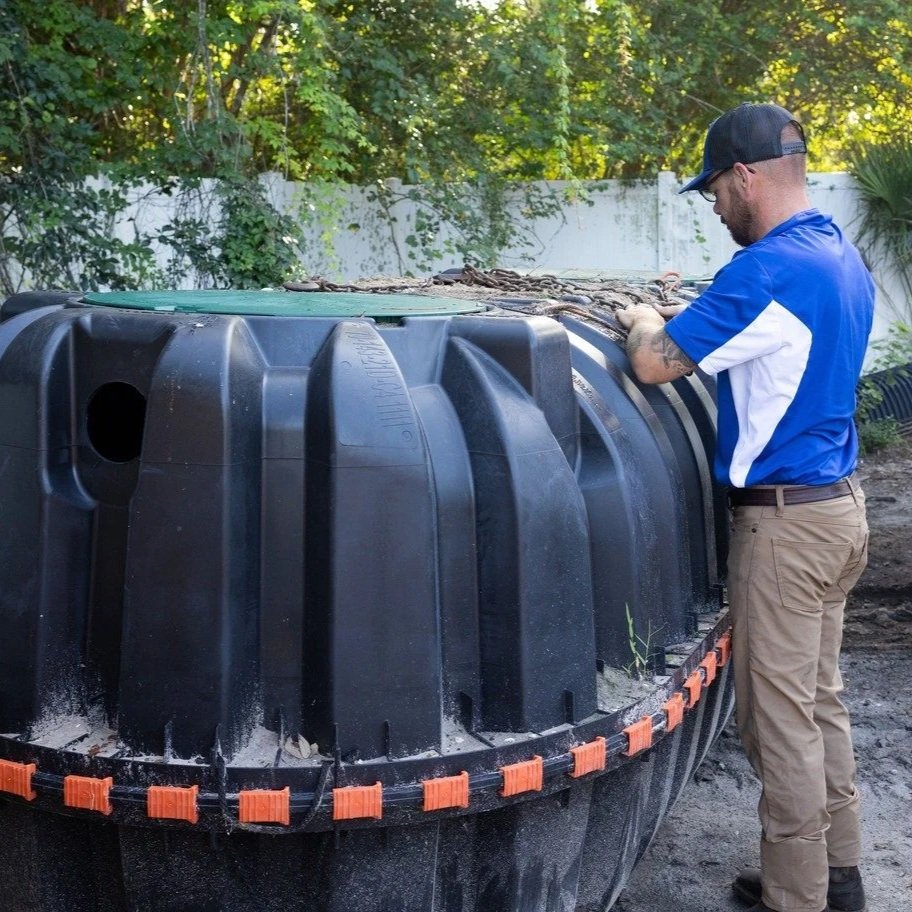
When a home sits on uneven ground, the drain field is uphill, or soil conditions demand a specialized design, a pump chamber steps in.
Not every property makes gravity the perfect partner for wastewater flow. When a home sits on uneven ground, the drain field is uphill, or soil conditions demand a specialized design, a pump chamber steps in. This component collects effluent from the septic tank and pushes it forward at the right intervals. Without it, wastewater might stall, pool in the wrong spot, or overload trenches unevenly. During septic system installation, professionals view the pump chamber as a solution that turns a complicated landscape into one with predictable flow and reliable performance.
How A Pump Chamber Works
The pump chamber itself is a watertight container, often built of concrete, fiberglass, or polyethylene. Inside is a pump that connects to floats or electronic sensors. As wastewater flows from the septic tank, the chamber fills gradually. Once liquid reaches a preset level, the pump activates and pushes effluent out through the outlet pipe. The cycle stops when the level drops. Instead of sending wastewater as a constant trickle, the pump chamber sends measured doses. This protects the drain field, giving it time to absorb and treat effluent naturally. Professional septic system installation tailors pump chambers to household water habits so the system works with rhythm instead of chaos.
Design Considerations For Pump Chambers
Designing a pump chamber requires more than dropping in a tank and adding a pump. Professionals calculate chamber volume, pump capacity, and dosing intervals based on daily water use. A small home might require only modest capacity, while a large family or commercial property needs stronger equipment. Access risers are added so the chamber can be inspected and maintained without deep digging. Electrical connections, alarms, and backup options are also part of the design. Septic system installation focuses on building a chamber that fits the property’s needs today while leaving flexibility for the future.
Common Design Variations
Pump chambers vary depending on the type of septic system in place. Pressure distribution systems rely on pumps that send effluent through pipes under equal pressure, which requires more powerful equipment. Time-dosed systems use control panels that release effluent at scheduled intervals, protecting sensitive soils. Duplex systems use two pumps, providing backup in case one fails. Professionals choose designs based on soil, groundwater, and household patterns. Septic system installation adapts the chamber to local conditions, verifying the system remains reliable regardless of the challenge.
Mistake: Choosing The Wrong Pump Size
An undersized pump struggles to move wastewater uphill, leading to backups and alarms. An oversized pump overwhelms the drain field by sending too much effluent at once. Either mistake stresses the system and shortens its lifespan. Professionals calculate pump size precisely, using formulas that account for elevation change, distance to the field, and expected flow. Septic system installation depends on this accuracy, since even the most durable tank and drain field fail if the pump is mismatched.
Mistake: Ignoring Float And Sensor Placement
Floats or electronic sensors control the pump cycle. When installed too high, the chamber overfills before the pump activates, creating stress. When installed too low, the pump cycles too often, which wears it out quickly. Professionals set floats at levels that balance efficiency with longevity. High-water alarms are also added to alert homeowners before problems escalate. Septic system installation relies on these details, since floats are the “brains” that keep pumping cycles healthy.
Mistake: Poor Electrical Work
Because pumps depend on electricity, poor wiring is both a performance issue and a safety hazard. Exposed wires or inadequate grounding lead to shorts, tripped breakers, and pump failure. Professionals install sealed conduits, dedicated circuits, and reliable grounding to protect the system. They also comply with electrical codes that safeguard both property and technicians. Septic system installation combines plumbing with electrical expertise, making professional installation the safest option.
Maintenance Tip: Routine Pump Inspections
Pumps do not last forever. Professionals inspect for wear, check floats, and test alarms during regular service visits. Inspections may also include checking amperage draw to predict pump lifespan before failure occurs. By scheduling inspections alongside septic tank pumping, homeowners simplify care. Septic system installation sets the foundation, but ongoing pump checks prevent inconvenient breakdowns.
Maintenance Tip: Chamber Cleaning
Just like a septic tank, the pump chamber develops sludge and scum over time. Grease, soap residue, and solids can coat floats and sensors, interfering with performance. Professionals clean chambers during service visits, removing buildup that strains pumps. Regular cleaning extends pump life and improves reliability. Septic system installation includes access risers for easy maintenance, demonstrating that planning simplifies long-term care.
Maintenance Tip: Planning For Power Outages
Power failures stop pumps in their tracks. In outage-prone areas, backups can develop quickly if the chamber fills and cannot empty. Professionals may recommend backup generators or battery-powered systems that keep pumps operational. Some designs include duplex pumps, so if one fails, the other takes over. Septic system installation in these areas anticipates outages, keeping wastewater flowing even when the grid does not cooperate.
Signs Of Trouble In A Pump Chamber
Alarms sounding inside the home are the most obvious sign of pump issues, but there are others. Gurgling drains, sewage odors, or unusually wet areas near the field point to problems. Frequent breaker trips suggest electrical issues, while rapid pump cycling signals float misplacement. Professionals diagnose whether the issue lies in the pump, wiring, floats, or chamber itself. Septic system installation allows for quick replacements because modern designs provide easy access through risers and lids.
Misconception: Pumps Are Maintenance-Free
One common myth is that pumps will last indefinitely if the chamber is sealed. Pumps wear down with use, floats corrode, and filters clog. Professionals anticipate pump replacement every seven to ten years, depending on use. Maintenance is not optional; it is part of keeping the system healthy. Septic system installation professionals educate homeowners on realistic pump lifespans so replacement never comes as a surprise.
Environmental Benefits Of Proper Pumping
Pump chambers protect drain fields by sending wastewater in controlled doses. By managing flow, they prevent oversaturation that pushes untreated effluent into groundwater. Poorly installed or neglected chambers, on the other hand, contribute to contamination. Professional septic system installation guarantees dosing cycles that align with soil capacity, keeping both property and environment safe.
Cost Factors For Installation And Replacement
Costs depend on tank material, pump size, electrical requirements, and excavation needs. Fiberglass or polyethylene tanks may be more affordable to install than concrete, but concrete offers long-term durability. Pumps with higher horsepower cost more but may be necessary for uphill fields. Replacement costs also depend on accessibility—chambers with risers are easier and cheaper to service. Professional septic system installation balances upfront cost with lifespan, showing that investing in the right chamber saves money over decades.
Lifespan Of A Pump Chamber
With proper design and care, a pump chamber can last 20 to 30 years or more. The chamber itself, particularly if built of concrete or fiberglass, often outlasts the pumps inside it. Pumps usually require replacement every decade, while floats and sensors may be updated more frequently. Professional service maximizes lifespan by monitoring electrical systems, cleaning chambers, and replacing components before failure. Septic system installation gives the structure longevity, but maintenance preserves performance.
Why Professional Installation Matters
Pump chambers bring together excavation, plumbing, and electrical work. Errors in any of these areas can lead to failure. A poorly sized pump, misaligned floats, or unsafe wiring shortens lifespan and risks contamination. Professionals design, install, and test pump chambers with precision, creating systems that run reliably for years. Septic system installation by experts guarantees that even complex setups flow smoothly.
The Long-Term Value Of A Reliable Pump Chamber
A pump chamber may not be glamorous, but it is essential in properties where gravity alone cannot handle wastewater. By controlling flow, protecting the drain field, and supporting safe treatment, it safeguards property value and environmental health. Professional septic system installation builds chambers designed for reliability, efficiency, and easy maintenance. Over time, the investment pays for itself in fewer emergencies, lower costs, and peace of mind.
Septic Tank Man is an experienced residential septic tank services and commercial septic services provider in Port Charlotte, Florida. Our local expertise helps us deliver lasting results. Count on us for septic tank replacement, septic tank installation, septic tank repair, and septic tank maintenance. Whether you need inspections or installation and repair, we provide prompt and reliable services to maintain peak septic system performance. Get in touch with our certified experts today.
