
Commercial Septic Tank Services Compared: Common Issues Vs. Pro Fixes
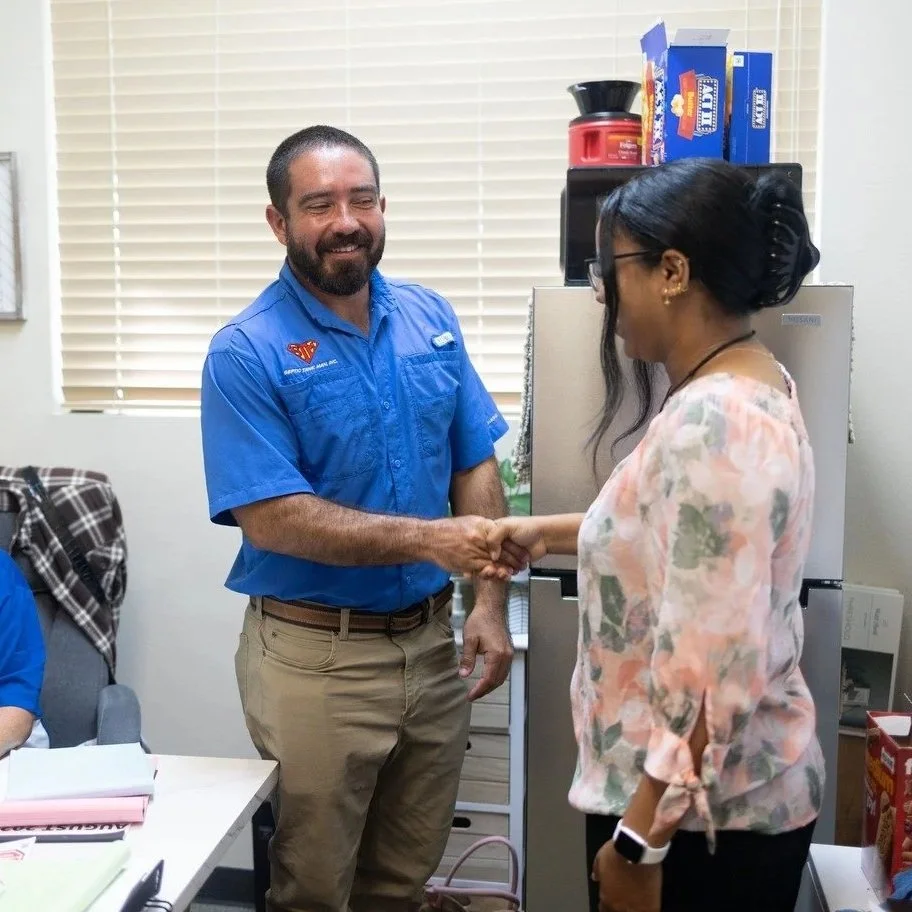
Professional septic tank services bring the expertise and equipment required to handle larger systems, complex layouts, and stricter regulations.
Commercial septic systems handle far more wastewater than residential units. Restaurants, hotels, offices, and warehouses place heavy demands on tanks and drain fields, often with little downtime between usage. When a problem develops, it affects not just one household but potentially dozens of employees, customers, or tenants. Professional septic tank services bring the expertise and equipment required to handle larger systems, complex layouts, and stricter regulations. Understanding the common issues that plague commercial systems—and the professional fixes that solve them—helps businesses protect their property and reputation.
Frequent Pumping Needs In High-Volume Settings
One of the biggest challenges for commercial properties is the sheer volume of wastewater flowing into the septic system. Restaurants deal with food scraps and grease, hotels manage hundreds of showers and laundry loads daily, and office buildings funnel water from restrooms and breakrooms throughout the workweek. Heavy use accelerates the buildup of sludge and scum in the tank, requiring more frequent pumping than in a typical home. Professional septic tank services track usage patterns and schedule pumping before clogs develop. Routine pumping avoids sudden shutdowns that could disrupt business operations.
Grease Buildup And Food Waste Issues
For restaurants and cafeterias, grease is a notorious culprit. Even with grease traps in place, fats, oils, and grease slip into septic tanks, coating surfaces and reducing efficiency. Food particles contribute to faster sludge accumulation, increasing the risk of clogs and foul odors. Professional services respond with high-powered pumping equipment capable of handling thick, stubborn grease layers. They also provide maintenance schedules tailored to kitchens, balancing grease trap care with tank pumping to keep wastewater flowing freely. Without these interventions, grease buildup quickly spirals into expensive repairs and potential health code violations.
Drain Field Overload From Continuous Use
Unlike residential systems that experience downtime while families are away at work or school, commercial septic systems rarely rest. Continuous inflow strains the drain field, sometimes leading to oversaturation. Signs include standing water, foul odors, or slow-draining restrooms throughout the building. Professionals address these issues by inspecting soil absorption, checking for clogs, and recommending solutions such as load balancing or alternative drain field designs. In extreme cases, they may install advanced treatment units to help lighten the burden on saturated soils. Managing drain field stress is one of the most important roles professional services play in keeping commercial systems viable.
Clogged Or Damaged Pipes
Commercial systems rely on an extensive network of pipes to transport wastewater from multiple locations to the tank. Clogs can form from grease, paper products, or foreign items flushed by unaware users. Damaged pipes may also collapse under heavy traffic from delivery trucks or equipment. Professionals use video inspection tools to quickly locate blockages or breaks. Once identified, they clear clogs with specialized jetting equipment or replace damaged sections as needed. Restoring pipe function keeps the entire system running smoothly and avoids disruptions that could shut down parts of the property.
Backups That Disrupt Business
Few situations are more disruptive to a commercial property than sewage backing up into restrooms, kitchens, or customer areas. Backups not only create health hazards but also damage reputation and revenue. Professional septic tank services handle backups with emergency pumping, line clearing, and sanitation procedures that restore safety fast. They also investigate the root cause—whether it is overdue pumping, a clogged pipe, or a failing drain field—so the problem does not return. Quick, professional response turns a potential disaster into a manageable incident.
Odor Problems That Affect Customers
Nothing drives customers away faster than the smell of sewage. Commercial septic tanks that are overdue for pumping or are clogged often release unpleasant odors around buildings. Professional services trace the source, whether it is tank gases escaping through faulty seals, vent issues, or buildup inside pipes. By addressing both the immediate smell and the underlying problem, they restore a sanitary environment. Regular maintenance prevents odors from surfacing in the first place, protecting both customer satisfaction and business image.
System Failures Caused By Neglect
In commercial settings, a neglected septic system quickly snowballs into failure. Skipping inspections or delaying pumping often leads to clogged filters, damaged baffles, or even collapsed drain fields. Once failure occurs, repairs can be costly and disruptive, requiring excavation and extended downtime. Professional inspections catch these issues early and recommend affordable fixes before they escalate. For businesses, proactive care is far cheaper than emergency replacements. Septic tank services bring consistency and foresight, preventing breakdowns that interrupt daily operations.
Professional Equipment That Makes The Difference
Commercial systems demand more than a simple pump truck. Professional services arrive with high-capacity vacuum trucks, jetting tools, and inspection cameras that can handle large-scale problems efficiently. Advanced technology allows them to clean tanks thoroughly, clear miles of piping, and map system layouts with precision. The combination of heavy-duty equipment and experienced technicians separates professional fixes from temporary patch jobs. Businesses benefit from reliable solutions backed by equipment built for industrial demands.
The Role Of Preventive Maintenance Contracts
Many commercial properties partner with septic tank services through preventive maintenance contracts. These agreements schedule regular pumping, inspections, and service calls at predictable intervals. By locking in routine care, businesses avoid the risk of forgetting or delaying service. Maintenance contracts also provide cost predictability, spreading expenses out rather than facing sudden, large bills. Professional services tailor these contracts to the specific needs of each property, whether it is a busy restaurant, a hotel, or an office complex. Preventive care keeps systems steady while giving property managers peace of mind.
Regulatory Compliance For Commercial Systems
Commercial septic systems are often subject to stricter local and state regulations than residential units. Restaurants, in particular, face health department oversight that requires proof of regular maintenance. Failing to comply can cause fines, closures, or loss of business licenses. Professional septic tank services document every pumping, inspection, and repair, providing businesses with records they can present during audits. Staying compliant not only avoids penalties but also shows customers that the business prioritizes health and safety.
How Professional Services Save Time And Money
The cost of professional septic care is minor compared to the expense of emergency repairs, business downtime, or lost revenue. By pumping on schedule, cleaning grease traps, and inspecting drain fields, professionals prevent the issues that shut businesses down unexpectedly. They also minimize disruptions during service, often scheduling maintenance outside peak hours. In the long run, professional care pays for itself by protecting property value, reducing repair costs, and maintaining business continuity.
Septic Tank Services That Keep Businesses Running
Commercial septic systems face unique challenges that require expert care. Heavy usage, grease buildup, clogged pipes, and drain field stress all threaten daily operations. Professional septic tank services use specialized equipment, experienced technicians, and preventive strategies to keep systems efficient. By addressing common issues with proven fixes, they protect businesses from disruption and safeguard reputations. For any commercial property, partnering with professionals is the difference between struggling with emergencies and enjoying reliable, long-term system performance.
Septic Tank Man is a family-owned and operated company with three generations of experience. We offer residential septic tank services, commercial septic services, and emergency septic services in Port Charlotte, Florida. Our technical expertise and friendly communication has earned us a strong reputation in the community. Count on our three generations of experience to keep your system running smoothly. Call today for a free estimate.
