
Homebuyer Septic Evaluations That Reveal Hidden Problems
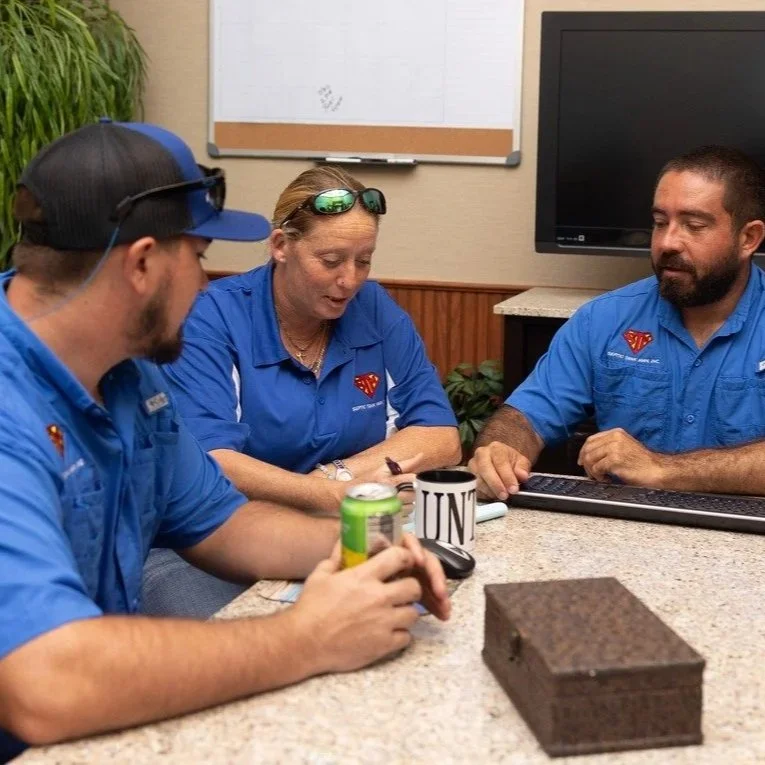
For buyers, a professional septic evaluation is the key to revealing what lies below the surface.
Buying a home is exciting, but it can also feel like stepping into a mystery novel. Every property holds secrets, and some of the most serious ones are buried underground. A septic system may look fine from the outside, yet be on the brink of failure. For buyers, a professional septic evaluation is the key to revealing what lies below the surface. Real estate and inspection services provide peace of mind by uncovering hidden issues before closing. Without it, buyers risk inheriting problems that can drain both patience and bank accounts.
The Anatomy Of A Septic Evaluation
A septic evaluation is not a quick peek at a tank lid. Professionals inspect the tank, drain field, distribution box, and all visible connections. They perform water-flow tests to assess how well the system handles incoming wastewater. Inspectors look for backups, leaks, unusual odors, or standing water in the yard that may suggest trouble. Pumping records and system age are reviewed to build a complete picture of health. Evaluations are thorough because no buyer wants surprises that could lead to costly repairs after moving in.
Problems Lurking Below The Surface
Septic issues often hide until they become disasters. Cracked tanks may not show symptoms right away. A drain field can fail slowly, creating soggy areas in the yard long before backups occur indoors. Tree roots sometimes sneak into pipes, blocking flow without visible signs until the damage worsens. Even undersized systems can appear functional until a household expands and the flow overwhelms the setup. A septic evaluation catches these issues early, giving buyers a clear understanding of what they are walking into.
The Difference Between A Routine Check And A Professional Evaluation
Sellers may say the system has “always worked fine,” but that is not the same as professional documentation. Routine checks often cover pumping and basic maintenance, while evaluations dig deeper. Inspectors use specialized tools, cameras, and knowledge to identify problems invisible to the untrained eye. The professional difference matters in real estate transactions. Lenders, agents, and buyers rely on credible reports, not anecdotes, to make informed decisions. When thousands of dollars and legal contracts are involved, precision counts.
Why Drain Fields Deserve Extra Attention
Drain fields are often the most expensive part of a septic system to repair or replace. Unfortunately, they are also the most overlooked. Buyers may focus on the tank while ignoring the sprawling underground network of pipes. Evaluations test the drain field performance to detect saturation or failure. Standing water, slow absorption, or unusual odors are warning signs that something is wrong. Replacing a drain field can cost tens of thousands of dollars, so identifying issues before purchase is critical for financial planning.
The Impact On Negotiations
A septic evaluation report often shapes real estate negotiations. A clean report boosts buyer confidence and strengthens the seller’s position. A report revealing hidden problems provides leverage for buyers to request repairs, price adjustments, or credits at closing. Instead of entering a sale blindly, both parties use the report as a roadmap for fair negotiations. Professional evaluations keep deals moving by transforming potential disputes into clear, documented facts. Transparency builds trust, which is exactly what both sides need to close smoothly.
How Age Plays A Role In Septic Health
Septic systems do not last forever. A typical tank and drain field has a lifespan of 20 to 40 years, depending on materials, maintenance, and usage. A system installed decades ago may be near the end of its functional life even if it appears operational today. Evaluations factor in age when assessing long-term performance. An older system may pass inspection but still require replacement sooner than buyers expect. Understanding the system’s remaining lifespan helps buyers plan for future costs and avoid financial surprises.
The Connection Between Septic Systems And Property Value
A reliable septic system adds to a home’s value, while a failing one reduces appeal. Buyers are wary of homes with questionable septic health because repairs are expensive and disruptive. Sellers who provide proof of a healthy system often attract stronger offers. Evaluations confirm the condition and provide documentation that reassures lenders and buyers alike. In real estate and inspection services, property value is closely tied to what lies underground. A strong septic evaluation helps maintain that value.
Protecting Against Legal Risks
Skipping a septic evaluation is not just financially risky; it can also lead to legal trouble. If problems surface after closing, buyers may claim the seller failed to disclose issues. Professional evaluations create documentation that protects everyone involved. Buyers gain proof they did their due diligence, and sellers gain evidence they provided accurate information. Legal disputes over septic systems can drag on for months, making early documentation a safety net that no party should skip.
Why Timing Matters In The Buying Process
Septic evaluations should not be left until the last minute. Buyers benefit most when the inspection is scheduled early in the due diligence period. Early evaluations allow time to address problems without derailing the sale. If a system requires repairs, contractors can step in before closing. Waiting until the eleventh hour can create panic, stalled negotiations, or even canceled deals. Real estate and inspection services are most effective when aligned with the buying timeline.
Technology In Modern Evaluations
Advancements in technology have made septic evaluations more precise. Video cameras inspect lines for blockages or damage, while advanced flow tests simulate heavy household usage. These tools allow inspectors to provide detailed reports with clear evidence of system health. Buyers benefit from seeing the condition of pipes and tanks with their own eyes, rather than relying on vague descriptions. Modern technology gives evaluations the credibility needed to withstand scrutiny in real estate transactions.
The Buyer’s Peace Of Mind
Purchasing a home is one of life’s biggest investments. Buyers often juggle excitement with anxiety as they navigate inspections, financing, and moving plans. A septic evaluation reduces uncertainty by confirming the most critical but least visible system in the home. Knowing the septic system is healthy gives buyers confidence that their investment is safe. Professional evaluations transform what could be a leap of faith into a well-informed decision.
The Professional Advantage
Not every inspector has the training to properly evaluate septic systems. Professional septic inspectors specialize in these hidden infrastructures, bringing knowledge of local regulations, soil conditions, and system designs. They know how to spot early warning signs and provide solutions before problems escalate. Real estate agents and lenders trust their reports because they combine technical accuracy with practical recommendations. For buyers, choosing a professional inspection team is not just an option; it is the smartest strategy for avoiding hidden headaches.
The Long-Term Financial Impact
Septic evaluations may feel like an added cost during an already expensive purchase, but they can prevent financial disaster. Replacing a failed drain field or a collapsed tank can cost as much as a small car. Identifying problems before closing allows buyers to negotiate repairs or reconsider their investment. Spending a few hundred dollars upfront can save tens of thousands later. It is a classic case of paying for peace of mind today to avoid financial regret tomorrow.
When Evaluations Influence Lender Decisions
Mortgage lenders are cautious when properties rely on septic systems. They do not want to finance a home with a failing or non-compliant system. A professional evaluation provides lenders with the confidence that the property is a safe investment. Without it, buyers risk delays or even loan denials. For lenders, septic evaluations are part of a broader risk-management package, and for buyers, they are a crucial step toward securing financing without complications.
How Evaluations Benefit Sellers Too
While buyers often drive the demand for evaluations, sellers also benefit. Providing a recent septic evaluation shows transparency and makes the property more appealing. Sellers who invest in evaluations before listing reduce the chance of surprises later. If issues are found, they can be repaired before negotiations begin. That proactive approach creates a smoother sales process and helps sellers maintain stronger negotiating power. In a competitive market, a documented healthy septic system can set a property apart.
Septic Tank Man offers quality septic tank repair, septic tank maintenance, and septic tank inspections in Port Charlotte, Florida. Our certified technicians have years of experience to help property owners with all their septic tank needs. Available 24/7. We take pride in being a locally-owned company with decades of experience, boasting a team of approachable and knowledgeable technicians. Contact us today for a free estimate.
