
Septic Tank Inspection Secrets Every Homeowner Should Know
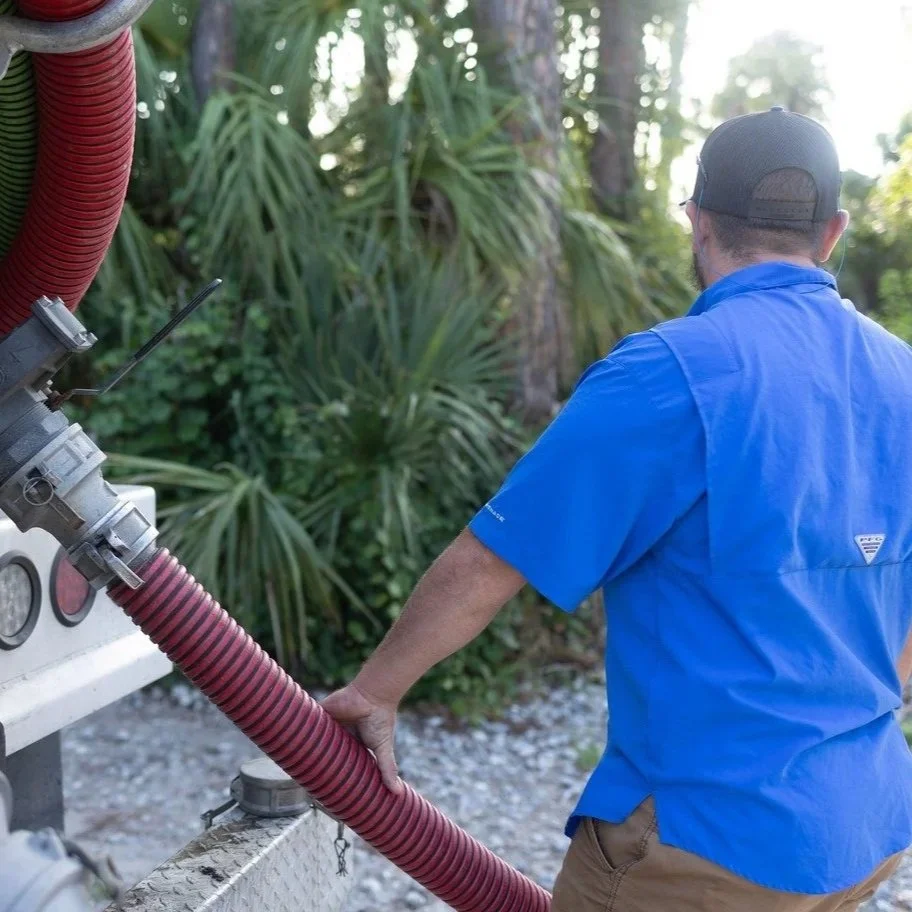
Professional septic tank services check not only the tank itself but also the surrounding components, making sure wastewater is processed safely.
Septic systems are often overlooked because they sit underground and operate quietly, but they handle one of the most important functions in a home. Without proper care, they can turn from silent heroes into major headaches. Inspections play a vital role in protecting property and health by making sure that everything runs as designed. Professional septic tank services check not only the tank itself but also the surrounding components, making sure wastewater is processed safely. A neglected inspection schedule can lead to foul odors, sewage backups, or costly drain field failures that no homeowner wants to face.
How Often Inspections Should Happen
Timing is one of the biggest secrets behind successful septic care. Waiting until a problem shows up usually means the system is already in trouble. Industry guidelines suggest inspections every three years, though homes with heavy water usage, large families, or smaller tanks may benefit from more frequent visits. Think of inspections as preventive medicine: they help spot small concerns before they spiral into emergencies. Professional services track pumping schedules, water usage, and household needs, tailoring inspection frequency to the property rather than relying on a one-size-fits-all rule.
What Professionals Look For During Inspections
A septic inspection is not a quick glance at the surface—it is a thorough checkup that digs into every part of the system. Inspectors measure sludge and scum levels to determine when pumping is needed. They check baffles, filters, and tees to confirm wastewater is flowing correctly. They look for cracks in the tank walls, damaged lids, or signs of groundwater intrusion. The drain field receives equal attention, with professionals examining whether it properly absorbs effluent or shows signs of oversaturation. By combining visual checks with diagnostic tools, professionals reveal the full picture of a system's health.
The Secret Role Of Sludge And Scum Levels
Inside the tank, solids naturally divide into three layers. The heavy sludge sinks, the scum floats, and the liquid effluent stays in the middle. Over time, sludge and scum build up, leaving less room for liquid. If these layers grow too thick, they can block outflow pipes or reach the drain field, causing blockages. Inspectors measure thickness with specialized tools and determine whether pumping is needed. These measurements tell a story about how the household uses water and how often service should occur. Staying ahead of buildup protects the system and avoids expensive drain field repairs.
Why Drain Field Health Matters
The drain field is just as critical as the tank itself. Even if the tank is in good shape, a failing drain field means wastewater has nowhere to go. During inspections, professionals look for soggy soil, unusually green patches of grass, or foul odors—classic signs of oversaturation. They also test absorption rates to confirm the soil is handling wastewater properly. Protecting the drain field saves homeowners from one of the costliest repairs in septic systems. Inspections focus on maintaining this balance so the entire system operates as designed.
Common Myths About Septic Inspections
A popular misconception is that inspections are unnecessary unless the system is actively failing. Another myth is that pumping alone replaces the need for inspection. Pumping removes solids, but it does not reveal structural issues, leaks, or failing drain fields. Some believe inspections are messy and disruptive, but modern professional techniques make them efficient and minimally invasive. Inspections are not about creating problems—they are about preventing them. Professional septic tank services debunk these myths by showing how regular evaluations protect both homes and wallets.
Warning Signs That Demand Immediate Inspection
Certain clues signal that it is time to call professionals without delay. Slow drains throughout the house, gurgling pipes, and sewage odors indoors often indicate problems inside the tank or pipes. Backups in toilets or sinks suggest a serious blockage. Outdoors, spongy ground, wet patches, or lush green grass near the drain field hint that untreated wastewater is rising to the surface. These red flags mean the system is no longer working properly. Prompt inspections uncover the cause and allow timely repairs before property damage or contamination spreads.
The Impact Of Household Habits On Inspections
Everyday routines influence what professionals find during inspections. Overusing water by running multiple appliances at once can flood the tank and stress the drain field. Flushing non-biodegradable items or pouring grease down the drain disrupts the bacterial balance and clogs pipes. Even excessive use of antibacterial products can interfere with the tank's natural breakdown process. During inspections, professionals often explain how small adjustments—like spacing out laundry loads or being mindful of what goes down the drain—can make a big difference. Better habits lead to cleaner inspections and longer system life.
Technology That Improves Inspections
Septic tank inspections have evolved with technology. Camera systems allow professionals to inspect pipes without excavation. Sludge depth tools accurately measure buildup, and flow tests monitor how quickly wastewater leaves the home and moves through the system. These advancements reduce guesswork, providing clear data that helps professionals recommend the right service. Instead of relying solely on surface clues, modern inspections go deeper, offering homeowners a transparent view of system performance. Technology makes the process faster, more accurate, and less disruptive than old-fashioned methods.
Why Professional Experience Matters
Professional expertise separates a useful inspection from a superficial one. Inspectors know what early warning signs look like, even when they are subtle. They understand local codes, environmental regulations, and the nuances of different tank materials. Experience allows them to distinguish between a system that needs minor adjustments and one on the verge of failure. Homeowners who rely on professional septic tank services benefit from knowledge that only comes with years in the field. Attempting a DIY inspection not only misses critical details but can also pose safety risks.
Costs Associated With Septic Inspections
The cost of an inspection is modest compared to the expense of emergency repairs or full system replacements. Pricing varies based on tank size, location, and whether additional services, such as pumping, are included. In most cases, inspections cost a few hundred dollars, which is small compared to the thousands it takes to repair or replace a drain field. Professionals explain costs upfront, allowing homeowners to budget confidently. Viewing inspection costs as preventive maintenance reframes them as an investment rather than an expense.
How Inspections Extend System Lifespan
Consistent inspections add years to a septic system's life. By monitoring sludge levels, catching cracks early, and identifying drain field issues before they escalate, professionals extend the lifespan of both the tank and supporting components. A system that receives regular attention may last decades longer than one neglected until failure. Every inspection acts as a checkpoint, fine-tuning the system for continued performance. With professional oversight, homeowners enjoy reliable service without unexpected breakdowns.
Septic Tank Services That Protect Your Property
Inspections are more than routine—they are essential safeguards for property, health, and comfort. Professional septic tank services uncover hidden problems, track maintenance needs, and protect the investment homeowners make in their systems. By following expert advice and scheduling inspections at the right intervals, families avoid messy surprises and expensive emergencies. The real secret behind septic tank inspections is that they are less about what is happening today and more about preparing for years of smooth, worry-free performance tomorrow.
Septic Tank Man offers quality septic tank repair, septic tank maintenance, and septic tank inspections in Port Charlotte, Florida. Our certified technicians have years of experience to help property owners with all their septic tank needs. Available 24/7. We take pride in being a locally-owned company with decades of experience, boasting a team of approachable and knowledgeable technicians. Contact us today for a free estimate.
