
Soggy or Smelly Drain Field? What It’s Telling You
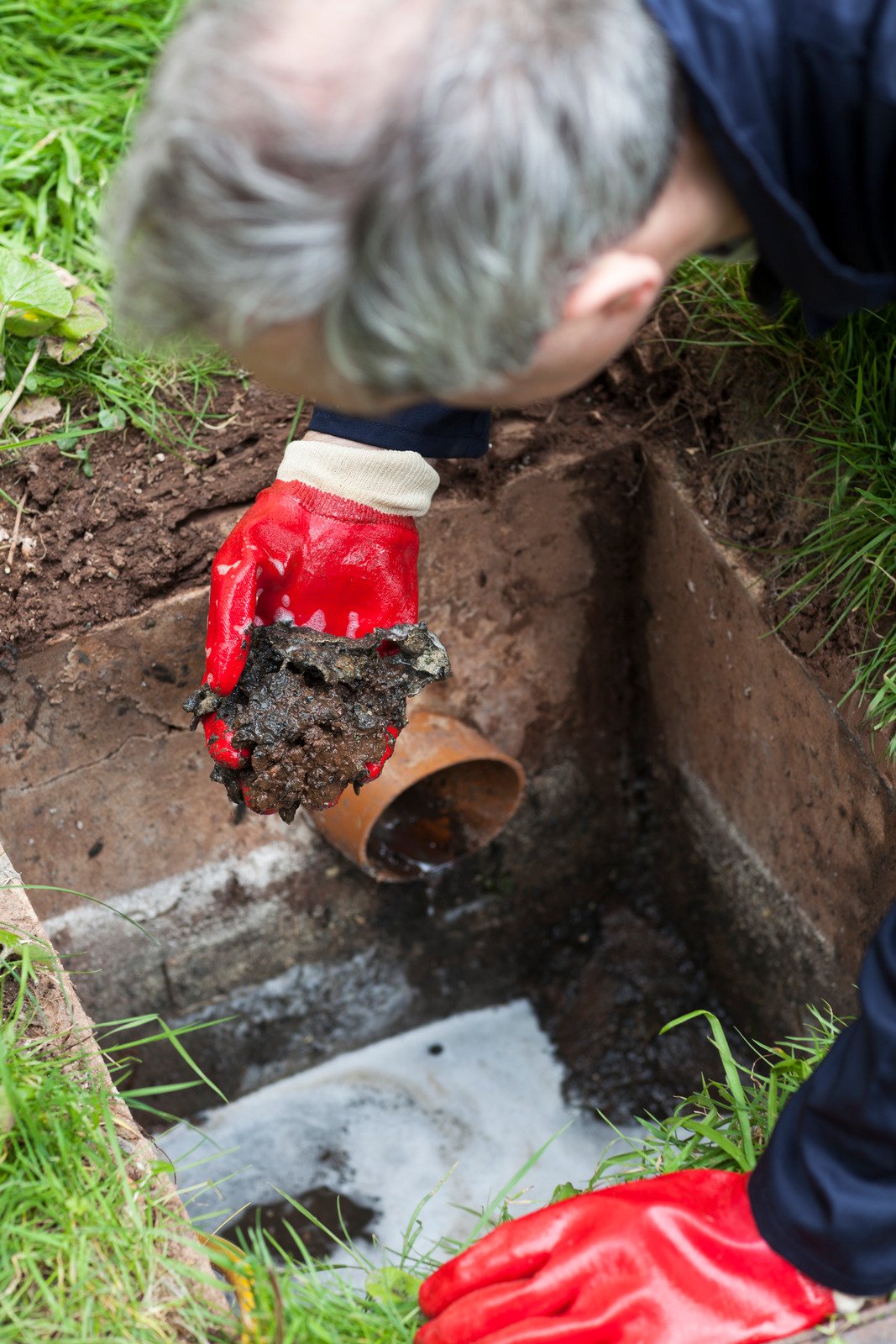
Quick Answer: A soggy or smelly drain field means wastewater isn't being absorbed into the soil the way it should — it's surfacing instead. Common causes are an overfull tank that's overdue for pumping (sending solids that clog the field), too much water overloading the system, solids and buildup clogging the drain field, the field reaching the end of its life, or heavy rain saturating the ground so it can't absorb. The soggy ground and sewage odor are signs the effluent is escaping rather than dispersing. This needs prompt attention, since drain field problems are serious and costly.
The drain field is where a septic system quietly does its final job: soaking treated wastewater into the soil. When it's working, you never notice it. When the ground over it turns soggy or starts to smell like sewage, that's a clear sign the system isn't handling waste properly — and since the drain field is the most expensive part of a septic system to repair, it's a sign worth understanding and acting on fast. Here's what soggy, smelly ground is telling you.
The Drain Field Is Supposed to Absorb, Not Surface
In a healthy system, the liquid effluent flows from the tank into the drain field, where it soaks in and gets filtered through the soil. You shouldn't see it or smell it. Soggy ground and sewage odors mean that the process has broken down — the effluent is surfacing instead of soaking in, or the field can't handle what's reaching it. So a wet, smelly field is, at bottom, a sign that wastewater is escaping where it ought to be dispersing. The causes all circle back to that: either too much is reaching the field, the field is clogged, or the field can no longer do its job.
The Common Causes
An Overfull Tank Overdue for Pumping
When the tank isn't pumped on schedule, solids build up and overflow into the drain field. Those solids clog the field's soil and pipes, so it can't absorb the wastewater, which then surfaces as soggy, smelly ground. An overdue tank is one of the most common reasons a field starts failing — and one of the most preventable, since regular pumping keeps solids out of the field.
Too Much Water Overloading the System
Send more water into the system than it can handle — heavy use, leaks, or too much flow at once — and you overload the field. It can't absorb water faster than the soil allows, so the excess surfaces. A system pushed past its capacity shows up as a saturated field.
Solids and Buildup Clogging the Field
Over time, solids, sludge, or a biomat buildup can choke off the field's ability to absorb. Once the soil and pipes are clogged, effluent has nowhere to go but up, and you get the soggy ground and the odor. This often ties back to skipped pumping that lets solids reach the field.
A Drain Field at the End of Its Life
Drain fields don't last forever. An older field can simply reach the end of its working life and stop absorbing properly, surfacing wastewater even when the tank is well-maintained. Age and years of use wear a field out.
Heavy Rain Saturating the Ground
In a wet climate, heavy or drawn-out rain can soak the soil around the field until it can't take in the system's wastewater, leaving the ground soggy for a while. Frequent or severe rain — a fact of life in Florida — can overwhelm a field's capacity, especially one that's already struggling.
| Cause | What's happening |
|---|---|
| Overfull tank (overdue pumping) | Solids overflow and clog the field |
| Too much water | System overloaded beyond capacity |
| Solids/buildup clogging field | Field can't absorb; effluent surfaces |
| Field at end of its life | Worn out, no longer absorbs properly |
| Heavy rain | Saturated soil can't absorb |
Standing wastewater and sewage odor over a drain field are a health hazard as well as a sign of system failure. Keep people and pets away from soggy, smelly areas over the field, avoid adding more water to the system, and call a septic professional promptly. Drain field problems are serious and only get worse — and more expensive — the longer they go unaddressed.
Why It Needs Prompt Attention
A soggy or smelly drain field isn't something to watch and wait on. The field is the costliest part of a septic system to repair or replace, and a struggling field can slide into full failure if the cause isn't dealt with. Sometimes the fix is simple — if an overdue tank is behind it, pumping the tank and reining in water use may relieve the field before lasting damage sets in. Other times, the field is clogged or failing and needs professional diagnosis and more involved repair. Because the causes run from simple to serious, and because a failing field is expensive and a health hazard, the right move is a prompt professional assessment to find out what's happening and address it before it gets worse. Catch it early, and you've got the best shot at avoiding a full drain field replacement.
Frequently Asked Questions
Soggy ground over the drain field means wastewater isn't being absorbed into the soil and is surfacing instead. Common causes are an overfull tank overdue for pumping (sending solids that clog the field), too much water overloading the system, solids and buildup clogging the field's ability to absorb, a field reaching the end of its life, or heavy rain saturating the soil. It's a sign the system isn't dispersing effluent properly and needs prompt professional attention to find and address the cause.
A sewage smell over the drain field means effluent is surfacing or escaping rather than being absorbed and filtered through the soil as it should. This happens when the field can't handle the wastewater reaching it — from an overfull tank sending solids into the field, an overloaded system, a clogged field, or a field that's failing. The odor is a clear sign that the system isn't containing and dispersing waste properly, and it warrants a prompt assessment since drain field issues are serious.
Yes. In a wet climate like Florida's, heavy or prolonged rain can saturate the soil around the drain field, leaving it unable to absorb the system's wastewater and causing temporary sogginess. A field that's already struggling is especially vulnerable to being overwhelmed by rain. While rain can be a temporary cause, persistent sogginess — or sogginess with odor — even apart from heavy rain points to a system problem that should be assessed by a professional.
Sometimes. If the cause is an overfull tank that's overdue for pumping, pumping it and addressing excess water use may relieve the drain field before lasting damage occurs. But if the field is already clogged, worn out, or failing, pumping alone may not resolve it, and a more involved repair could be needed. Because the causes range from simple to serious, a septic professional should assess the system to determine whether pumping fixes it or there's a deeper drain field problem.
Quite serious. The drain field is the most expensive part of a septic system to repair or replace, and a failing one is both a costly problem and a health hazard from surfacing sewage. A struggling field can deteriorate into full failure if the underlying cause isn't addressed. That's why soggy or smelly ground over the field warrants prompt professional attention — catching it early gives the best chance of relieving the field and avoiding a full, expensive drain field replacement.
Surfacing Wastewater Is a Warning to Heed
A soggy or smelly drain field means wastewater is surfacing instead of soaking into the soil — and the causes range from an overdue tank pumping or an overloaded system to a clogged or worn-out field, sometimes worsened by heavy Florida rain. Because the drain field is the costliest part of a septic system to repair, and surfacing sewage is a health hazard, this is a sign to act on promptly, not ignore. A professional assessment finds the cause and addresses it before a struggling field fails completely. Catch it early, and you may avoid the biggest repair a septic system can bring.
Soggy or smelly ground over your drain field? — Get a prompt assessment and the cause addressed by a family-owned team serving since 1979. Septic Tank Man, Inc serves Port Charlotte, Punta Gorda, North Port. Call (941) 299-8881.
