
What You Should Never Flush Into a Septic System
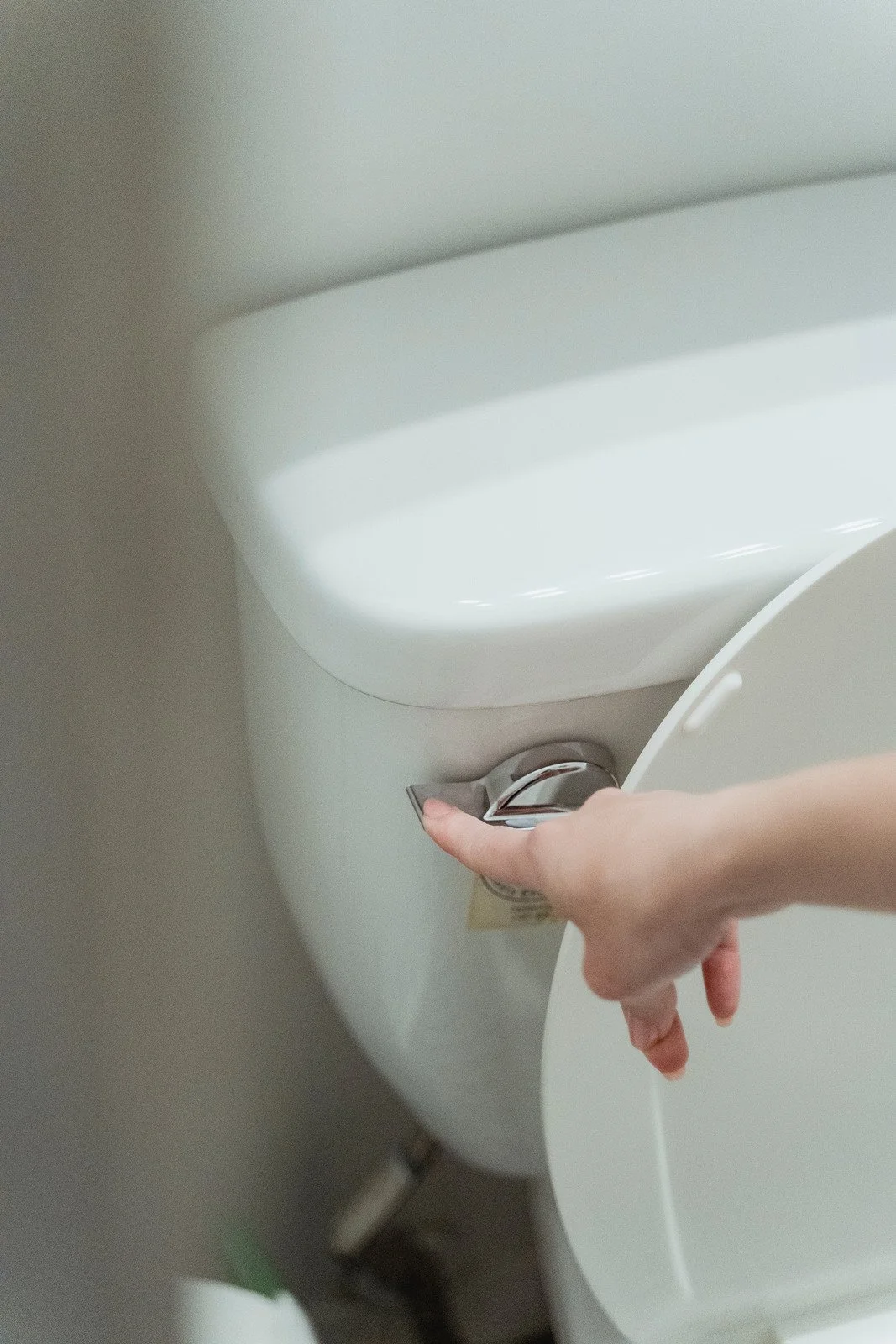
Quick Answer: On a septic system, the only things that should go down the toilet are human waste and toilet paper. Never flush "flushable" wipes, paper towels, feminine products, diapers, or other non-degradables — they don't break down and clog the system. Don't pour grease, fats, or oils down the drain, since they build up and cause blockages. Keep harsh chemicals, paint, solvents, and medications out, as they can kill the beneficial bacteria that make the system work or pollute the drain field. Heavy food waste through a disposal also strains the tank. Protecting the system is mostly about what you don't put into it.
A septic system is surprisingly easy to damage from the inside — all it takes is sending the wrong things down the drain. Unlike a city sewer, a septic system runs on a careful balance: solids settling, bacteria breaking down waste, and liquid flowing out to the drain field. The wrong materials clog it, throw off that balance, or harm the field. The good news is that protecting yours is mostly about knowing what not to flush or pour. Here's what should never go into a septic system.
A Septic System Has Limits, a Sewer Doesn't
The key thing to grasp is that a septic system isn't a city sewer that whisks everything away. It's self-contained and depends on solids breaking down and good bacteria doing the work while the liquid flows to the drain field. Things that don't degrade clog it, grease builds up in it, and chemicals can kill the bacteria it relies on. So the rule of thumb is simple: only human waste and toilet paper belong down the toilet, and the drains need the same kind of care. Everything below harms the system, so keeping it out is how you protect the whole thing.
Don't Flush These Down the Toilet
The toilet is for human waste and toilet paper — that's the whole list. Plenty of what people flush doesn't break down, and it clogs the system:
"Flushable" wipes are a big one — label aside, they don't degrade like toilet paper and are a common cause of clogs. Paper towels and tissues don't break down the way toilet paper does. Feminine hygiene products, diapers, and baby wipes don't degrade and clog the system. Cotton balls, swabs, dental floss, and the like don't break down either. Cat litter, even the "flushable" kind, harms septic systems. The pattern's clear: if it isn't human waste or toilet paper, it doesn't belong in a septic toilet, because non-degradables collect and block the system.
Don't Pour These Down the Drain
The drains need protecting, too. A few categories do real damage:
Grease, fats, and cooking oils are a big one — pour them down the drain, and they build up and harden, blocking the system. Let the grease cool and throw it in the trash instead. Harsh chemicals — strong drain cleaners, big amounts of bleach, and similar products — can kill the good bacteria the system needs to break down waste, throwing off the whole thing. Paint, solvents, and other hazardous chemicals shouldn't go down the drain either; they can harm the system and pollute the drain field and groundwater. Medications flushed or poured down can harm the bacteria and pollute the environment, too, and should be disposed of properly instead.
| Never flush | Never pour down the drain |
|---|---|
| "Flushable" and baby wipes | Grease, fats, cooking oils |
| Paper towels, tissues | Harsh chemicals, strong drain cleaners |
| Feminine products, diapers | Paint, solvents, hazardous chemicals |
| Cotton balls, swabs, floss | Medications |
| Cat litter | Excessive bleach |
Go Easy on the Garbage Disposal Too
Beyond the clearly harmful stuff, leaning on a garbage disposal sends a lot of food solids into the tank, filling it faster and adding to the load the system has to handle. It isn't "forbidden," but heavy disposal use strains the system and means more frequent pumping. Go easy on it — keep food waste out of the system where you can — and you help both the tank and the schedule. It's the same principle as everything else here: the less unnecessary material you put in, the better the system works, and the longer it goes between services.
"Flushable" wipes are one of the most common causes of septic clogs despite their name — they do not break down like toilet paper. The safest rule for a septic toilet is to flush only human waste and toilet paper. When in doubt, throw it in the trash, not the toilet.
Frequently Asked Questions
On a septic system, only human waste and toilet paper should be flushed. Never flush "flushable" wipes, baby wipes, paper towels, tissues, feminine hygiene products, diapers, cotton balls, swabs, dental floss, or cat litter — none of these break down the way toilet paper does, and they accumulate and clog the system. The simple rule is that if it isn't human waste or toilet paper, it doesn't belong in a septic toilet, because non-degradable items block the system and lead to backups.
No, despite the name. "Flushable" wipes are among the most common causes of septic clogs because they don't break down like toilet paper — they stay intact and accumulate, blocking the system. The "flushable" label is misleading for septic systems. The safest practice is to keep all wipes, including ones marked flushable, out of a septic toilet and dispose of them in the trash. Only human waste and toilet paper should be flushed in a septic system.
Grease, fats, and cooking oils may go down as a liquid, but they cool and harden in the system, building up and causing blockages over time. On a septic system, this clogs pipes and adds to the material the tank must handle. The better practice is to let the grease cool and throw it in the trash rather than pouring it down the drain. Keeping grease out protects the system from a common and avoidable cause of blockages.
Yes. A septic system relies on beneficial bacteria to break down waste, and harsh chemicals — strong drain cleaners, large amounts of bleach, and similar products — can kill those bacteria, disrupting the whole system's ability to function. Paint, solvents, and other hazardous chemicals can harm the system and pollute the drain field and groundwater, and medications can harm the bacteria, too. Keeping these out of the drains protects the bacterial balance that the system depends on and the environment around it.
Heavy use of a garbage disposal isn't forbidden, but it sends a lot of food solids into the tank, filling it faster and increasing the system's load, which means more frequent pumping and greater strain. Going easy on the disposal and keeping food waste out of the system where you can helps the tank last longer between pumpings and reduces strain. It's part of the broader principle that the less unnecessary material you put into a septic system, the better it works.
Protect the System by What You Keep Out
Protecting a septic system is largely about what you don't put into it. Flush only human waste and toilet paper — never wipes (even "flushable" ones), paper towels, hygiene products, or other non-degradables that clog it. Keep grease, harsh chemicals, paint, solvents, and medications out of the drains, since they cause blockages or kill the bacteria the system needs. Go easy on the garbage disposal, too, keeping unnecessary food solids out of the tank. Follow these simple rules about what you flush and pour, and you keep the system's delicate balance of solids, bacteria, and drainage intact, avoiding the clogs, backups, and damage that come from sending it the wrong things. A little awareness about what goes down the toilet and drains is the cheapest, easiest septic maintenance there is.
Want to keep your septic system trouble-free? — Get expert septic service and maintenance from a family-owned team serving since 1979. Septic Tank Man, Inc serves Port Charlotte, Punta Gorda, North Port. Call (941) 299-8881.
