
New Septic Tank And Drain Field Setup: A Step-By-Step Homeowner Guide
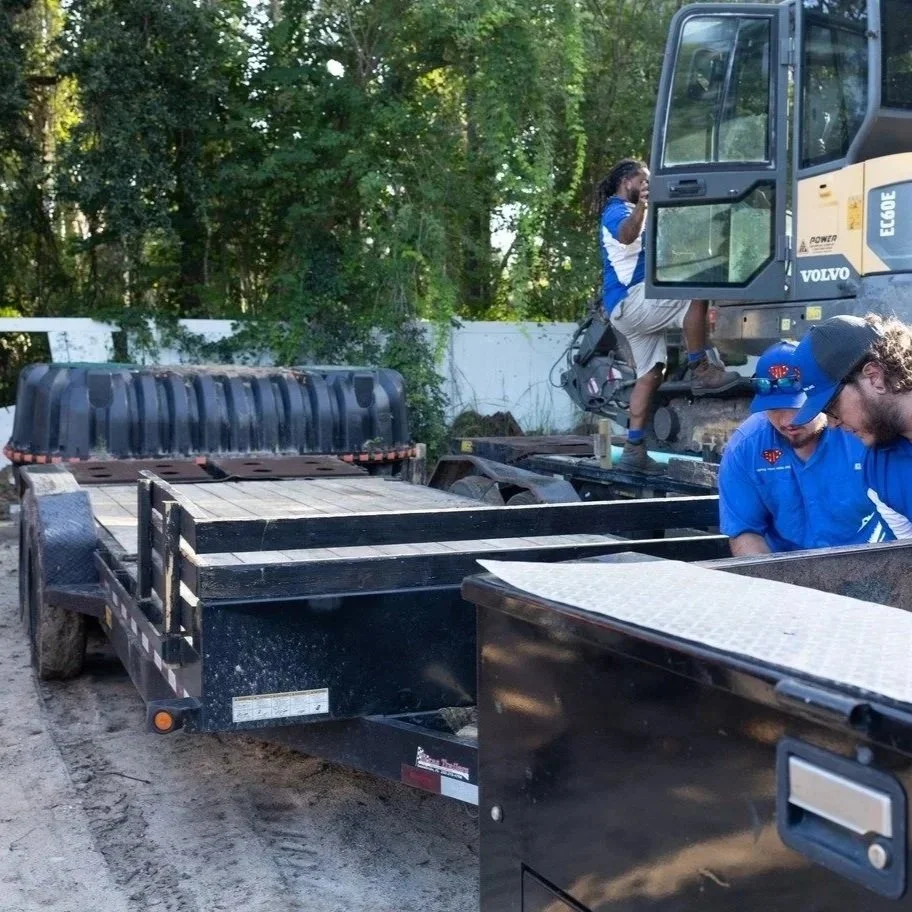
Beyond convenience, septic systems protect groundwater, keep yards safe from contamination, and maintain property value.
For homes outside city sewer grids, septic system installation provides the foundation for safe and reliable wastewater treatment. A properly designed and installed system quietly manages everything from morning showers to kitchen cleanup without causing disruption. Beyond convenience, septic systems protect groundwater, keep yards safe from contamination, and maintain property value. When professionals handle installation, the result is not just a functioning tank and drain field but a system engineered to last for decades.
Site Evaluation And Planning
Before a shovel hits the ground, a thorough site evaluation shapes the entire project. Professionals test the soil to determine how well it absorbs water and conduct percolation tests to measure drainage speed. A sandy soil may filter too quickly, while a clay-rich soil may hold water for too long. Slope, groundwater levels, and proximity to wells or property lines all factor into design. These details influence whether a traditional trench system, a mound, or an alternative setup is best. Planning also accounts for future use, leaving room for expansion or replacement. Septic system installation succeeds or fails based on this initial evaluation.
Permitting And Regulations
Every septic installation requires approval from local health or environmental authorities. Regulations exist to protect both homeowners and communities from contamination risks. Permits confirm that the system is designed correctly, located far enough from wells and water bodies, and constructed with approved materials. Professional installers manage these details, handling submissions, inspections, and adjustments to satisfy local codes. Permitting may feel tedious, but it verifies the investment is legally compliant and backed by official approval, which becomes valuable when selling the property later.
Excavation And Tank Installation
Once permits are cleared, excavation begins. Crews dig a carefully measured pit for the septic tank and trenches for the drain field. Tanks can be made of concrete for durability, fiberglass for resistance to corrosion, or polyethylene for lightness and ease of placement. The tank must sit level and be securely connected to the home’s plumbing lines. Inlet and outlet connections are sealed to prevent leaks, and risers are often added for easier future maintenance access. Proper tank placement is critical—slight misalignments can create long-term flow problems. Professional septic system installation focuses on precision so that the tank serves as a reliable foundation.
Drain Field Construction
The drain field is where the system filters and disperses wastewater. Professionals dig trenches, line them with gravel or advanced chamber materials, and install perforated pipes to distribute effluent evenly. Once the system is tested for flow and balance, soil is backfilled carefully, leaving enough oxygen exchange to support bacterial activity underground. A poorly designed drain field leads to surface pooling, foul odors, and premature system failure. Correct slope, spacing, and layout are key, and those details are handled during installation by experienced technicians who understand soil behavior and hydraulics.
System Components And Connections
Modern septic systems include several features beyond the tank and field. Distribution boxes direct wastewater evenly across trenches. Effluent filters stop solids from escaping into the field. Pumps may be necessary if the drain field is uphill or far from the tank. Some systems incorporate advanced treatment units that add oxygen or filtration to produce cleaner effluent before release. Each component must connect seamlessly for the system to perform efficiently. Professionals test every junction, seal, and slope before moving to the final inspection. Septic system installation is about creating harmony between parts so the whole system works without disruption.
Testing And Inspection
Testing is performed before the yard is restored. Water is introduced into the system to confirm that the flow is smooth, trenches absorb properly, and distribution is even. Inspectors verify that installation matches approved plans, with correct tank size, field dimensions, and setback distances. Any issues found at this stage can be corrected before the soil is replaced. Passing inspection provides both comfort and proof of compliance, protecting the homeowner from potential fines or repair orders later.
Backfilling And Landscaping
Once the system passes inspection, soil is layered back over the tank and trenches. Compaction is done carefully to prevent settling while still allowing the ground to breathe. Grass is planted over the drain field because its shallow roots protect the soil from erosion without harming pipes. Trees, shrubs, and heavy structures are avoided, since their roots or weight can damage the field. Professionals often provide homeowners with diagrams showing the exact location of the system for future reference. A well-landscaped drain field blends into the yard, functioning quietly while staying protected.
Tips For Homeowners After Installation
A new septic system will perform reliably with a few simple habits. Pumping the tank every three to five years prevents solids from overwhelming the drain field. Conserving water by spreading out laundry and fixing leaky faucets helps balance the flow. Only biodegradable waste should enter the system, since wipes, grease, and chemicals disrupt bacterial activity. Vehicles, patios, or heavy storage should never sit over the drain field. Regular professional inspections catch early issues before they escalate. Septic system installation is the first step; responsible ownership keeps it effective for decades.
Modern Trends In Septic System Installation
New technologies are reshaping how septic systems are built. Chamber systems are replacing gravel trenches in some areas, offering easier installation and better performance in poor soils. Drip irrigation fields provide controlled distribution, ideal for properties with limited space. Aerobic treatment units add oxygen, producing cleaner effluent that protects sensitive environments. Smart monitoring technology is also on the rise, with sensors tracking tank levels and field performance in real time. These innovations allow professionals to design systems that balance reliability with environmental responsibility.
Cost Factors And Budgeting
The cost of a new septic system installation varies widely. Soil type, tank size, drain field design, and site accessibility all influence price. Basic residential systems are generally more affordable, while advanced treatment units, large commercial systems, or properties with poor soils require higher investment. Beyond the system itself, costs also include permits, excavation, and landscaping restoration. Professional services provide detailed estimates and recommendations to balance the budget with long-term performance. While it may be tempting to cut costs, improper installation leads to far more expensive repairs later. Spending wisely up front delivers lasting value.
The Long-Term Value Of A Well-Installed System
A professionally installed septic system is more than a hidden utility. It safeguards drinking water, protects property, and supports community health. With proper use and scheduled maintenance, it can serve reliably for decades. Homeowners benefit not only from dependable performance but also from the peace of mind that comes from knowing wastewater is handled safely and efficiently. Septic system installation done right is an investment in comfort, safety, and sustainability, working quietly beneath the surface to keep life above ground running smoothly.
Septic Tank Man is a leading septic system service provider in Port Charlotte, Florida. We are proud of our three generations of experience in providing septic tank drain field services, septic tank pumping & cleaning, septic tank pumpouts, and septic tank inspections. We bring local expertise and are committed to keeping your septic system safe and functional. Trust us for clear communication, honest pricing, and a 24/7 reliable service. Call now!
