
Inlet And Outlet Pipe Installation: Avoiding Common Mistakes
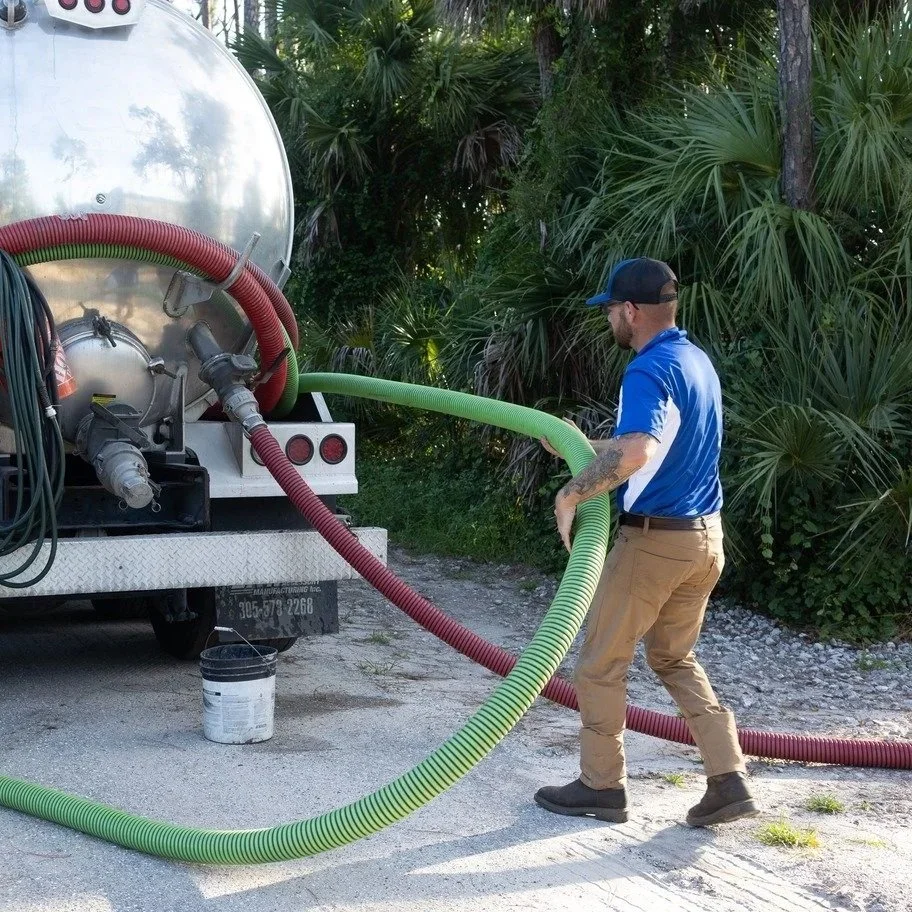
When installed poorly, they cause backups, clogs, and damage that shortens the system’s life.
In septic system installation, the tank and drain field often grab the spotlight, but the inlet and outlet pipes are the quiet heroes that keep everything moving. These pipes act as bridges. One brings wastewater from the home into the tank, and the other carries treated liquid out toward the drain field. When installed correctly, they manage flow effortlessly. When installed poorly, they cause backups, clogs, and damage that shortens the system’s life. Professional installers treat inlet and outlet pipes with the same care as the tank, because a small mistake here can create large headaches later.
The Job Of The Inlet Pipe
The inlet pipe is the point where wastewater enters the septic system. It must be installed at the right slope so gravity keeps the flow steady. Too steep, and water rushes past solids, leaving them behind to build up in the line. Too flat, and the water slows, causing clogs and backups into the home. Professionals carefully measure slope, typically a quarter-inch drop per foot, to keep balance. They also seal the connection tightly where the pipe meets the tank. Without a proper seal, leaks develop, contaminating the soil around the tank and causing unpleasant odors that drift across the property.
The Job Of The Outlet Pipe
Once wastewater has separated in the tank, the outlet pipe allows the liquid effluent to flow toward the drain field. Its elevation is slightly lower than the inlet, which helps keep solids inside the tank. Most outlet pipes include baffles or effluent filters to stop particles from slipping through. If solids escape, they clog the drain field trenches and create soggy lawns or surface contamination. Professional septic system installation pays close attention to the outlet pipe’s placement, slope, and filtration. A single mistake here can destroy the most expensive part of the system—the drain field.
Mistake: Ignoring Proper Slope
Slope is one of the easiest details to overlook and one of the most damaging when ignored. A too-steep slope causes water to outrun solids, which then settle and clog the pipe. A too-flat slope slows flow, encouraging buildup and eventually causing sewage to back up into sinks and toilets. Professionals never rely on guesswork; they use laser levels or string lines to maintain exact slope throughout installation. Septic system installation is about precision, not approximation, and slope is one of the first places where expertise matters.
Mistake: Poor Sealing At Connections
When seals at pipe connections fail, leaks develop. A leaking inlet pipe may spill raw sewage near the tank, saturating the surrounding soil. A leaking outlet pipe may allow wastewater to bypass the drain field entirely, seeping untreated into the ground. Professional installers use watertight seals, tested fittings, and careful alignment to eliminate weak points. They also test connections with water before covering them, confirming that everything is tight. Septic system installation depends on these details, which are invisible once the soil is backfilled but vital for performance.
Mistake: Using Substandard Materials
Not all pipes are created equal. Using thin or brittle materials invites cracks and collapses under soil pressure. Unapproved fittings corrode quickly, leading to leaks. Professional installers use PVC or other pipe types rated for underground septic use, with walls thick enough to handle pressure. They also account for soil conditions—clay soils may exert more pressure than sandy soils, requiring stronger pipe choices. Septic system installation with quality materials means the pipes will last decades rather than failing within a few years.
Mistake: Failing To Protect Against Roots
Roots are persistent. Trees and shrubs near the septic system send roots toward pipes, seeking moisture. A poorly sealed or cracked pipe gives them the perfect entry point. Once inside, roots expand, blocking flow and sometimes breaking the pipe entirely. Professionals not only seal pipes carefully but also recommend keeping trees and shrubs at a safe distance from the system. Septic system installation takes landscaping into account, protecting underground components from root intrusions that slowly strangle performance.
Mistake: Incorrect Depth
Depth matters. Pipes buried too shallowly risk freezing in colder climates or breaking under surface pressure. Pipes buried too deeply interfere with natural flow, slowing wastewater and disrupting separation inside the tank. Professionals evaluate frost lines, soil type, and property slope to determine the correct burial depth. They also protect pipes from potential compaction caused by vehicles driving over the area. Septic system installation balances technical standards with property-specific conditions, making sure pipes stay safe underground.
Mistake: Forgetting About Venting
Without venting, wastewater flow slows, and gurgling noises appear in sinks or toilets. Odors may also escape through drains inside the home. Proper venting provides airflow, keeping pressure balanced and flow consistent. Professionals integrate venting into the system design, verifying pipes move wastewater smoothly without creating unpleasant side effects. Septic system installation is about the entire system working in harmony, and venting is part of that balance.
Mistake: Skipping Professional Testing
Testing is often underestimated. Once pipes are installed, professionals run water through the system to verify flow, absorption, and leak-free performance. Without this step, hidden problems go undetected until backups, odors, or flooding occur. Professionals never cover pipes until tests confirm proper function. Septic system installation includes this critical stage, guaranteeing that once everything is buried, the system works exactly as designed.
Misconception: Pipes Do Not Need Maintenance
Some homeowners believe inlet and outlet pipes are “set and forget.” In reality, inspections during pumping cycles help catch cracks, clogs, or root intrusions early. Professionals may flush pipes, clean filters, or reseal connections as part of routine care. Pipes are durable, but they are not invincible. Septic system installation creates a long-lasting foundation, but maintenance protects that investment.
Environmental Consequences Of Poor Installation
Improperly installed pipes do more than cause household inconvenience. Leaks allow untreated sewage to seep into the soil, contaminating groundwater and nearby wells. Faulty outlet pipes can overload drain fields, pushing pollutants toward streams or wetlands. Professional septic system installation not only protects the property but also safeguards the environment. A well-installed system reduces contamination risks and keeps communities healthier.
Cost Factors In Pipe Installation And Repair
Costs for inlet and outlet pipe installation depend on materials, excavation requirements, and system design. PVC pipes with proper fittings cost more than thin alternatives, but they also last longer and reduce repair expenses. Repair costs rise when poor installation causes damage to the drain field or tank. Professional installation is more affordable than frequent repairs caused by shortcuts. Septic system installation professionals provide detailed estimates that balance quality with long-term savings.
Signs Of Pipe Trouble
Clues of inlet or outlet pipe failure include slow drains, sewage odors near the tank, wet spots in the yard, or frequent clogs. Backups inside the house often indicate slope problems or blockages in the inlet. Unusual lawn growth or soggy areas near the drain field may suggest outlet pipe trouble. Professional inspections pinpoint whether the issue lies in the pipes, the tank, or the drain field. Septic system installation experts diagnose problems accurately and recommend precise repairs rather than unnecessary replacements.
The Lifespan Of Well-Installed Pipes
With quality materials and professional installation, inlet and outlet pipes often last as long as the tank itself—25 to 40 years. Their lifespan shortens dramatically when poor slope, weak seals, or thin materials are used. Routine inspections and responsible landscaping extend their service life even further. Septic system installation done right builds durability into every pipe, creating a system that functions reliably for decades.
Why Professional Installation Matters
Inlet and outlet pipes may seem simple, but they demand precision in slope, sealing, and placement. Professionals bring the tools, training, and experience to get these details right. They also know the local regulations governing pipe materials, burial depth, and environmental safeguards. Septic system installation by experts means inlet and outlet pipes are buried underground and quietly do their job without problems resurfacing later.
The Long-Term Value Of Precision
When inlet and outlet pipes are installed correctly, wastewater flows smoothly, solids stay in the tank, and the drain field receives only properly filtered effluent. Pipes function invisibly but protect the entire system from premature failure. Investing in professional septic system installation pays off in fewer repairs, lower costs, and greater peace of mind. Precision in these small details is what makes the whole system thrive for decades.
Septic Tank Man offers septic tank repair, septic tank maintenance, and septic tank inspections in Port Charlotte, Florida. Our certified technicians have years of experience to help property owners with all their septic tank needs. Available 24/7. We take pride in being a locally-owned company with decades of experience, boasting a team of approachable and knowledgeable technicians. Contact us today for a free estimate.
