
How Often Should a Septic Tank Really Be Pumped?
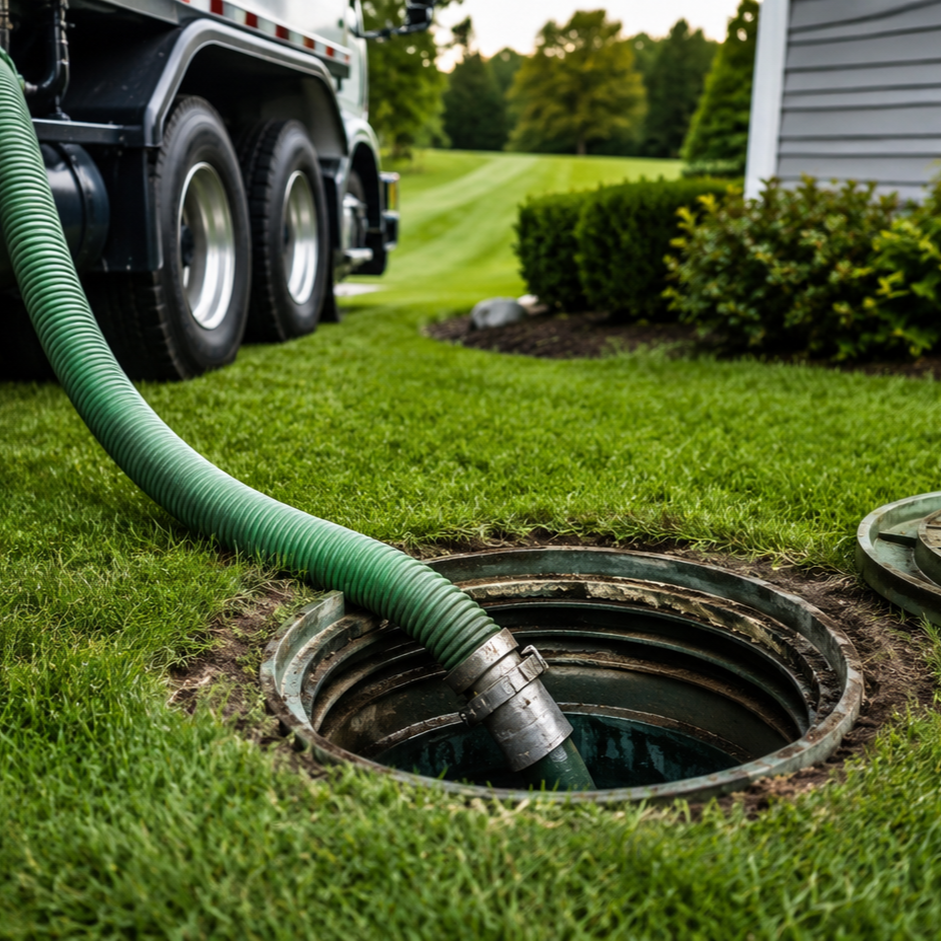
Quick Answer: Most septic tanks need pumping every three to five years, but the right interval depends on the number of people in the household, the size of the tank, how much water and waste the home produces, and whether a garbage disposal is used heavily. A small tank serving a large household needs pumping more often; a large tank for a small household can go longer. Pumping removes the solids that build up so they don't overflow into the drain field and cause failure. Skipping it risks backups and expensive drain field damage, so staying on schedule is essential.
A septic tank sits out of sight and out of mind — right up until it backs up or the drain field gives out, and then it becomes a very expensive reminder. Pumping on a regular schedule is the single best thing you can do to keep the system healthy, but "how often" isn't one-size-fits-all. The usual guideline is a starting point. Your real schedule rides on your household and your tank. Here's how to land on the right interval and why staying on it matters so much.
Why Septic Tanks Need Pumping
To know how often, it helps to know why at all. A septic tank's job is to separate the solids from your home's wastewater. The solids settle to the bottom as sludge, lighter material floats to the top as scum, and the liquid in between flows out to the drain field to soak into the soil. Over time, that sludge and scum pile up. Never pull them out, and they keep stacking until there's no room left — then the solids start flowing out to the drain field, where they clog and damage it, the priciest part of the system to fix. Pumping clears the built-up sludge and scum before it overflows. So, pumping on schedule is what keeps the solids in the tank and out of the field.
The General Guideline and What Changes It
The common recommendation is to pump every three to five years. That's a useful baseline, but a handful of factors can make the right interval shorter or longer for your home.
Household Size
More people mean more wastewater and more solids landing in the tank, so it fills faster. A large household fills a tank much more quickly than a small one and needs pumping more often. The number of people under your roof is one of the biggest factors there is.
Tank Size
A bigger tank holds more before it needs service; a smaller one fills sooner. Your tank's capacity sets how long it can go between pumpings. A small tank serving a big household is the combination that needs the shortest interval.
Water and Waste Usage
How much water you use and how much waste you put through the system determine how fast the tank fills. Run a lot of water, and more flows through. Homes that produce more wastewater need pumping more often than light users do.
Garbage Disposal Use
Lean on a garbage disposal, and you're adding more solids to the tank, filling it faster and often calling for more frequent pumping. Homes that grind a lot of food waste tend to need shorter intervals.
| Factor | Pump more often | Can go longer |
|---|---|---|
| Household size | Large household | Small household |
| Tank size | Small tank | Large tank |
| Water/waste usage | Heavy use | Light use |
| Garbage disposal | Heavy use | Little or none |
Why Staying on Schedule Matters
What makes regular pumping so important is what happens the moment you skip it. Let the tank go unpumped, and the solids build past capacity, then spill into the drain field. They clog the field's soil and pipes, and a damaged field is the costliest part of a septic system to repair or replace — far more than routine pumping ever runs. Neglect also brings backups into the home, slow drains, and foul odors. So the modest, periodic cost of pumping heads off a major repair and the mess of a backup. A schedule matched to your household and tank is simple insurance against septic failure, and a septic pro can set the right interval and keep you on it.
Don't wait for a problem to schedule pumping — by the time you have backups or odors, solids may already be reaching the drain field. Set a recurring schedule based on your household size and tank, and pump on time. Routine pumping is cheap compared to the drain field repair that neglect leads to.
Frequently Asked Questions
The general guideline is every three to five years, but the right interval depends on your household size, tank size, water and waste usage, and garbage disposal use. A small tank serving a large household with heavy water use needs pumping more often, while a large tank for a small household can go longer. Rather than relying on the baseline alone, have a septic professional recommend an interval suited to your specific system, and stay on that schedule to prevent problems.
The solids that build up in the tank eventually overflow into the drain field. There, they clog the soil and pipes, damaging the drain field — the most expensive part of a septic system to repair or replace, far costlier than routine pumping. Neglect also causes backups into the home, slow drains, and foul odors. So skipping pumping risks both a major repair bill and an unpleasant mess. Regular pumping is inexpensive insurance against these expensive, disruptive failures.
Yes, significantly. More people in the home means more wastewater and more solids entering the tank, which fills it faster. A large household fills a tank much more quickly than a small one, so it needs more frequent pumping. It's one of the biggest factors in determining the right interval, along with the tank's size. A small tank serving a large household requires the most frequent service to prevent overflow into the drain field.
It can. Heavy use of a garbage disposal adds more solids to the septic tank, filling it faster and often requiring more frequent pumping. Homes that put a lot of food waste through a disposal tend to need shorter intervals between pumpings than homes that don't. If you use a disposal heavily, it's worth factoring that into your pumping schedule and mentioning it to your septic professional when determining how often your system needs service.
The best approach is to pump on a regular schedule suited to your household and tank rather than waiting for warning signs, since signs like slow drains, backups, odors, or a soggy drain field can mean solids are already reaching the drain field. A septic professional can assess your tank's levels and recommend an interval. Staying ahead with scheduled pumping — based on your household size, tank size, and usage — prevents the problems that show up once the tank is overfull.
Pump on Schedule, Avoid the Big Repair
Most septic tanks need pumping every three to five years, but your real interval depends on your household size, tank size, water and waste usage, and garbage disposal use — a small tank serving a large, heavy-use household needs it most often, while a larger tank for a small household can wait longer between services. Pumping clears the built-up solids before they overflow into the drain field, the costly part of the system to repair. Skip it, and you risk backups and expensive damage. Set a schedule suited to your home, stay on it, and routine pumping protects the whole system for a fraction of what neglect would cost. It's one of the clearest cases in home maintenance of a small, predictable cost heading off a large, unpredictable one.
Due for a septic pumping or not sure of your schedule? — Get reliable pumping and an honest interval recommendation from a family-owned team serving since 1979. Septic Tank Man, Inc serves Port Charlotte, Punta Gorda, North Port. Call (941) 299-8881.
